
Best Roof Racks for Overlanding: Complete Buyer's Guide
When you're planning your next overlanding expedition across remote terrain, few accessories are as critical as a quality roof rack system. Whether you're tackling the Rubicon Trail or exploring the backcountry of Moab, your roof rack serves as the foundation for carrying essential gear, from recovery equipment to camp furniture. With weight capacities ranging from 150 pounds to over 400 pounds depending on the system, choosing the right rack can make the difference between a successful adventure and a roadside breakdown.
The overlanding community has seen explosive growth, with over 8.1 million Americans participating in overland activities according to recent outdoor industry data. This surge has driven innovation in roof rack design, materials, and mounting systems, giving overlanders more options than ever before. But with options come decisions â and the wrong choice can leave you with inadequate carrying capacity, wind noise, or worse, equipment failure when you're miles from civilization.
Why a Good Roof Rack Matters for Overlanding
Overlanding demands gear â lots of it. Between recovery equipment, camping supplies, spare parts, water, and food, the average overland vehicle carries 300-800 pounds of additional weight depending on trip duration. A quality roof rack system doesn't just hold your gear; it distributes weight properly across your vehicle's structure, maintaining handling characteristics and preventing damage to your roof.
Safety considerations are paramount. At highway speeds, aerodynamic forces can exceed 200 pounds of upward lift on improperly secured loads. Professional-grade roof racks feature engineered mounting points that distribute these forces across multiple attachment points, typically your vehicle's factory roof rails or reinforced mounting brackets.
From a practical standpoint, roof storage frees up valuable interior space for passengers and frequently accessed items. Studies show that properly organized overlanding vehicles with external storage systems allow for 40% more interior comfort space compared to vehicles relying solely on internal cargo areas.
Types of Roof Racks: Understanding Your Options
Crossbar Systems
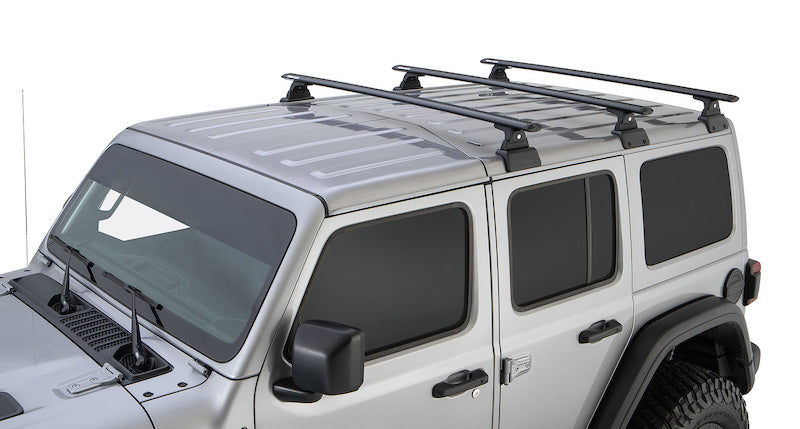
Crossbar systems represent the most basic and affordable entry point into roof storage. Typically consisting of two or three bars spanning your vehicle's width, these systems excel at carrying long items like lumber, kayaks, or roof boxes. Dynamic weight ratings typically range from 150-220 pounds, making them suitable for lighter camping loads but potentially limiting for full overlanding setups.
Popular options include the Yakima CoreBar ($320-380) and Thule WingBar Evo ($280-340), both featuring aerodynamic profiles that reduce wind noise to approximately 3-4 decibels above baseline at highway speeds. However, crossbar systems lack the flat platform surface that makes loading awkward gear shapes challenging.
Platform Roof Racks
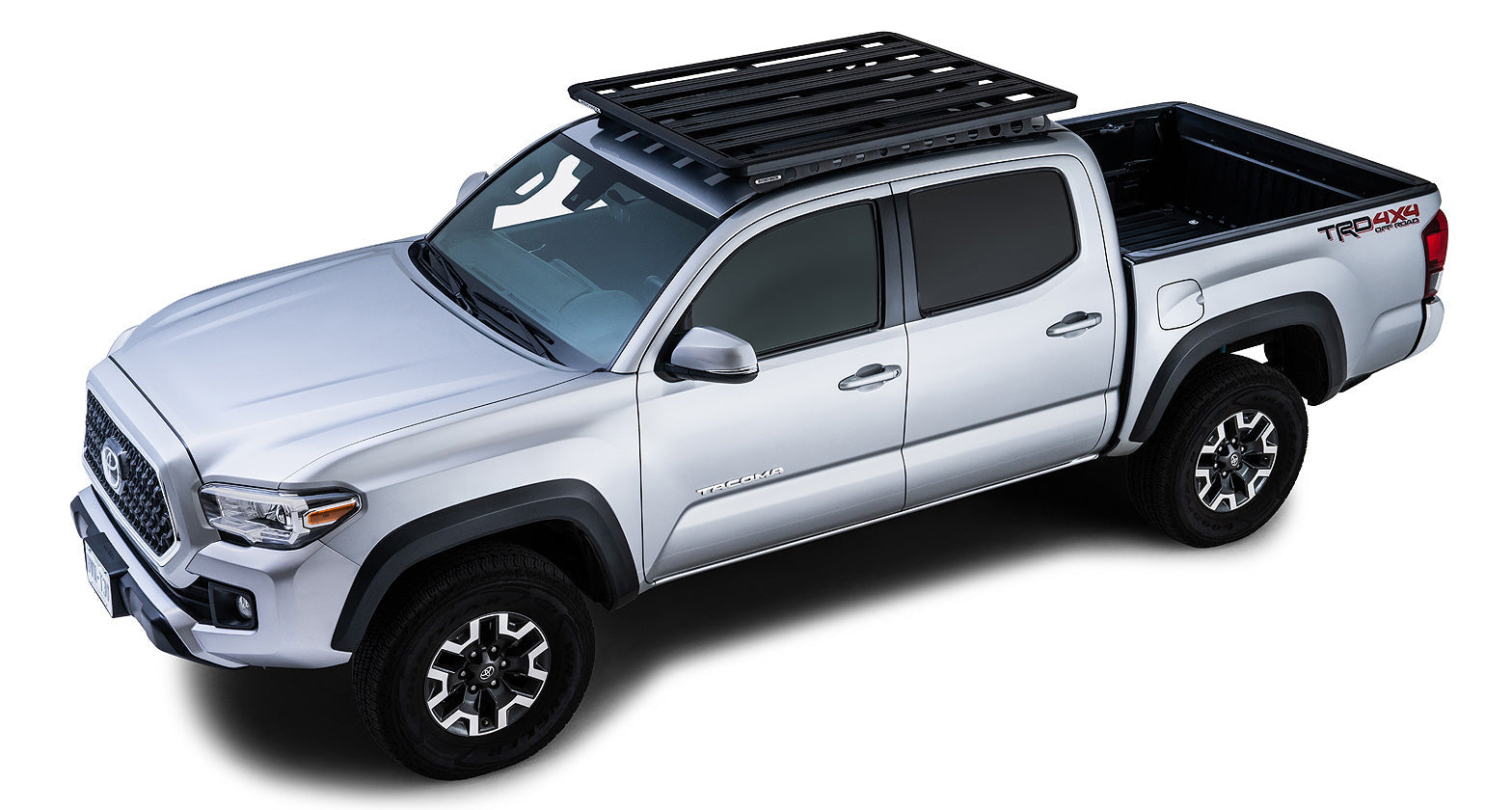
Platform racks provide a flat, solid surface that transforms your roof into a true cargo deck. These systems typically feature aluminum slat construction with weight ratings between 200-400 pounds dynamic load capacity. The solid platform design allows for creative mounting solutions for gear that doesn't fit traditional cargo boxes.
Leading platform systems include:
- Frontrunner Slimline II ($450-650): 350-pound capacity, modular design
- Prinsu Design Roof Rack ($390-580): 200-pound rating, bolt-together construction
- Rhino-Rack Pioneer Platform ($380-520): 220-pound capacity, Australian engineering
Basket-Style Racks
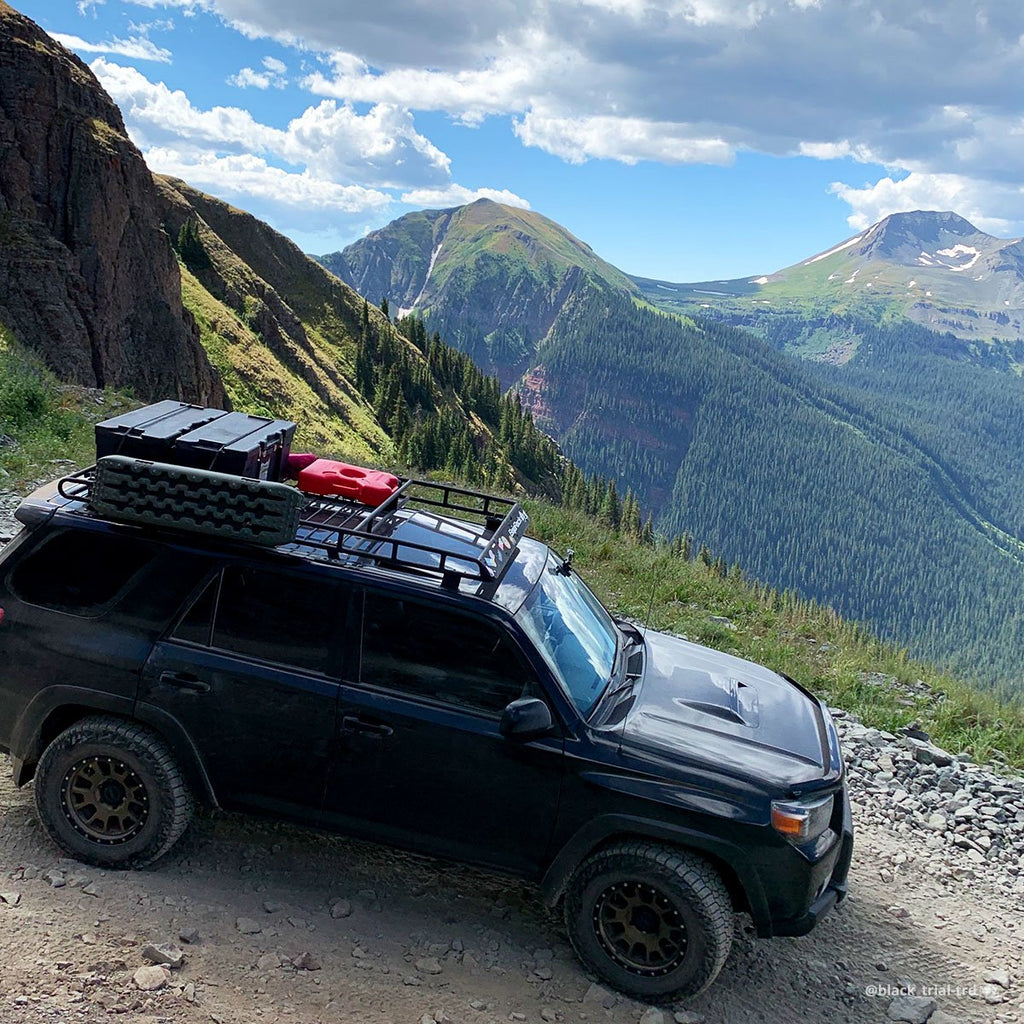
Basket racks combine platform functionality with integrated side rails, creating a natural cargo containment system. The raised edges, typically 4-6 inches high, prevent gear shift during travel while maintaining easy top-loading access. Weight ratings generally fall between 150-300 pounds.
The Yakima LoadWarrior ($280-320) represents a popular mid-range option with a 150-pound capacity, while premium models like the ARB Steel Roof Basket ($520-680) offer 220-pound ratings with powder-coated steel construction for maximum durability.
Low-Profile Systems
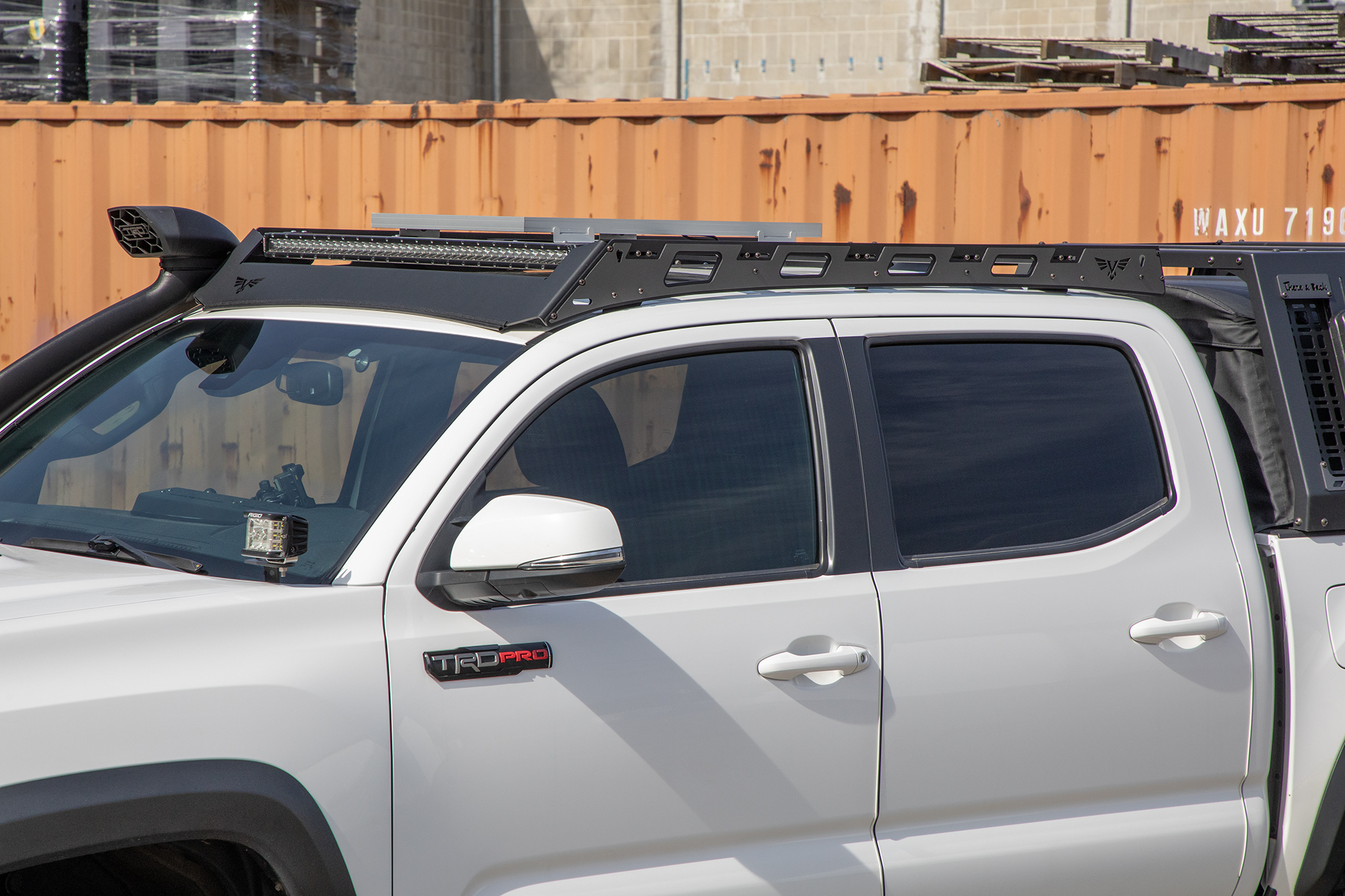
For overlanders prioritizing fuel economy and minimal height increase, low-profile systems mount closer to the roof line. These racks typically add only 2-4 inches to vehicle height compared to 6-10 inches for full platform systems. However, this comes at the cost of reduced capacity, with most low-profile systems rated for 120-180 pounds dynamic load.
The Thule Motion XT series exemplifies this category, with integrated cargo boxes providing weatherproof storage while maintaining aerodynamic efficiency that costs only 1-2 MPG at highway speeds.
Top Roof Rack Recommendations by Category
Best Overall: Frontrunner Slimline II Platform Rack
The Frontrunner Slimline II has earned its reputation as the gold standard in overlanding roof racks. With a 350-pound dynamic load rating and modular design, this South African-engineered system accommodates vehicles from compact SUVs to full-size trucks. The aluminum slat construction weighs approximately 85-120 pounds depending on size, while the universal mounting system adapts to most factory roof rails.
Key specifications include:
- Dynamic load capacity: 350 pounds
- Static load rating: 600 pounds
- Material: 6061-T6 aluminum extrusion
- Weight: 85-120 pounds (size dependent)
- Price range: $450-650
- Warranty: 3 years structural
Best Value: Prinsu Design Roof Rack
Colorado-based Prinsu Design offers exceptional value with their bolt-together platform design. While the 200-pound capacity limits heavy-duty applications, the rack's clean aesthetic and competitive pricing make it popular among weekend overlanders. The modular bolt-together design allows for easy customization and repair in remote locations.
Notable features include:
- Vehicle-specific mounting brackets
- No-drill installation on most vehicles
- Modular accessory compatibility
- Price point: $390-580
Best Heavy-Duty: ARB Steel Roof Basket
Australian manufacturer ARB brings decades of outback experience to their steel roof basket design. With 220-pound dynamic capacity and steel construction, this rack handles abuse that would damage aluminum alternatives. The powder-coated finish resists corrosion in coastal environments, while integrated mounting points simplify accessory installation.
Heavy-duty specifications:
- Construction: 16-gauge steel tubing
- Finish: Powder-coated black
- Mesh floor prevents small item loss
- Integrated light mounting tabs
- Price: $520-680
Best Aerodynamic: Thule WingBar Evo System
For overlanders prioritizing fuel economy, the Thule WingBar Evo crossbar system provides excellent aerodynamics with minimal noise penalty. Wind tunnel testing shows only 3.2 decibels increase over baseline at 70 MPH, compared to 8-12 decibels for traditional square-bar designs.
Weight Capacity Considerations: Static vs. Dynamic Loads
Understanding load ratings is crucial for safe overlanding. Dynamic load capacity refers to weight limits while the vehicle is in motion, typically 40-60% lower than static ratings due to road forces, acceleration, and vibration. Static load capacity applies when the vehicle is parked, such as when using a rooftop tent.
For perspective, common overlanding gear weights include:
- Rooftop tent: 120-180 pounds
- Two-person sleeping setup: 40-60 pounds
- Recovery gear (winch, straps, shovel): 80-120 pounds
- Spare tire: 40-80 pounds
- Jerry cans (2x5 gallon): 80 pounds when full
- Camp chairs and table: 30-50 pounds
A typical weekend setup can easily approach 250-300 pounds, making systems with 350+ pound capacity essential for serious overlanding.
Material Comparisons: Steel vs. Aluminum
Material choice significantly impacts weight, durability, and cost. Aluminum racks typically weigh 30-40% less than equivalent steel designs while offering superior corrosion resistance. However, steel provides greater impact resistance and easier field repairs using common welding equipment.
Aluminum advantages:
- Corrosion resistance in salt environments
- Lighter weight improves fuel economy
- Clean aesthetic appearance
- No rust concerns with scratches
Steel advantages:
- Superior impact resistance
- Field-repairable with basic welding
- Lower initial cost
- Familiar repair techniques
Most professionals recommend aluminum for coastal environments or vehicles prioritizing fuel economy, while steel suits extreme-use applications where durability outweighs weight considerations.
Mounting Options and Compatibility
Roof rack mounting typically utilizes three primary methods: factory roof rails, fixed mounting points, or through-roof attachment. Factory roof rail systems offer the simplest installation, with universal clamps adapting to most vehicles' existing rails. Load capacity depends on the rails themselves, typically rated for 150-220 pounds distributed load.
Fixed mounting point systems bolt directly to reinforced locations in the vehicle's roof structure. These provide higher weight ratings (300-400+ pounds) but require vehicle-specific brackets and professional installation in many cases.
Track systems represent the premium mounting option, with aluminum tracks permanently mounted to the vehicle. This allows for infinitely adjustable accessory positioning and typically supports the highest weight ratings. Popular track systems include Frontrunner's Quick Release system and Yakima's HD Bar integration.
Essential Accessories and Add-ons

Modern roof rack systems excel as platforms for additional equipment. Awning integration has become standard, with systems like the ARB Touring Awning ($340-420) mounting directly to rack side rails. These 8-foot by 8-foot shade structures deploy in under 5 minutes and withstand winds up to 35 MPH when properly staked.
Light bar mounting transforms your rack into an auxiliary lighting platform. LED light bars ranging from 20-50 inches mount to front or rear rack sections, providing up to 25,000 lumens of off-road illumination. Popular options include Rigid Industries E-Series ($280-680) and Baja Designs OnX6 Series ($490-890).
Jerry can and water storage requires specialized mounting hardware to secure these critical supplies. Frontrunner's Water Tank Bracket ($120) securely holds 5-gallon jerry cans with integrated locking mechanisms, while RotoPax mounts ($45-65) accommodate multiple fuel and water containers.
Cargo box integration provides weatherproof storage for sensitive equipment. Systems like the Yakima RocketBox Pro 14 (390-liter capacity, $420) mount directly to crossbar or platform systems, offering 14 cubic feet of waterproof storage.
Installation Tips for DIY Enthusiasts
Professional installation ensures optimal safety and warranty coverage, but many roof rack systems accommodate DIY installation with proper preparation. Critical safety considerations include:
- Verify your vehicle's roof load rating before purchase
- Use factory torque specifications for all mounting hardware
- Apply thread-locking compound to prevent loosening
- Inspect mounting points every 5,000 miles
- Re-torque hardware after first 500 miles
Common installation mistakes include: over-tightening hardware (causing stress concentrations), using inappropriate mounting points, and failing to seal penetrations properly. Most quality racks include detailed instructions with vehicle-specific torque specifications.
For vehicles requiring roof penetration, consider professional installation. Improper sealing leads to water leaks that can cause thousands of dollars in interior damage over time.
Budget Breakdown by Performance Tier
Entry Level ($200-400)
Basic crossbar systems and simple platform racks. Suitable for occasional weekend trips with light cargo loads. Examples include Yakima CoreBar systems and basic platform racks with 150-200 pound capacity.
Mid-Range ($400-700)
Quality platform systems with 200-350 pound capacity. Includes popular options like Prinsu Design and Rhino-Rack Pioneer systems. Suitable for regular overlanding with moderate gear loads.
Professional Grade ($700-1,200+)
Premium systems like Frontrunner Slimline II with full accessory integration. Designed for extreme use with maximum weight capacity and modular expansion capability. Often includes specialized mounting systems and professional installation.
Making Your Final Decision
Selecting the ideal roof rack system requires balancing capacity, weight, aerodynamics, and budget constraints. For serious overlanders covering thousands of miles annually, premium systems like the Frontrunner Slimline II justify their cost through superior durability and capacity. Weekend warriors may find excellent value in systems like the Prinsu Design rack, which offers 80% of the functionality at 60% of the cost.
Consider your typical cargo load, vehicle specifications, and expansion plans. A rack that meets today's needs but can't accommodate future accessories becomes obsolete quickly. Quality systems represent a 10+ year investment, making initial research crucial for long-term satisfaction.
Key decision factors include:
- Required weight capacity for your typical load
- Vehicle compatibility and mounting options
- Planned accessories (awnings, lights, storage)
- Installation complexity and warranty coverage
- Long-term expansion possibilities
The overlanding community continues growing, and quality roof rack systems enable the adventures that define this lifestyle. Whether you're planning a weekend escape or a months-long expedition, the right rack system provides the foundation for safe, organized, and successful overland travel. Invest in quality, match capacity to your needs, and prepare for countless miles of adventure ahead.
Be sure to check out our YouTube video of an Overland Ruff Rax install on our past Sequoia giveaway!